Make AI Accountable and HR Unstoppable
By the Editorial Desk at Gates AI
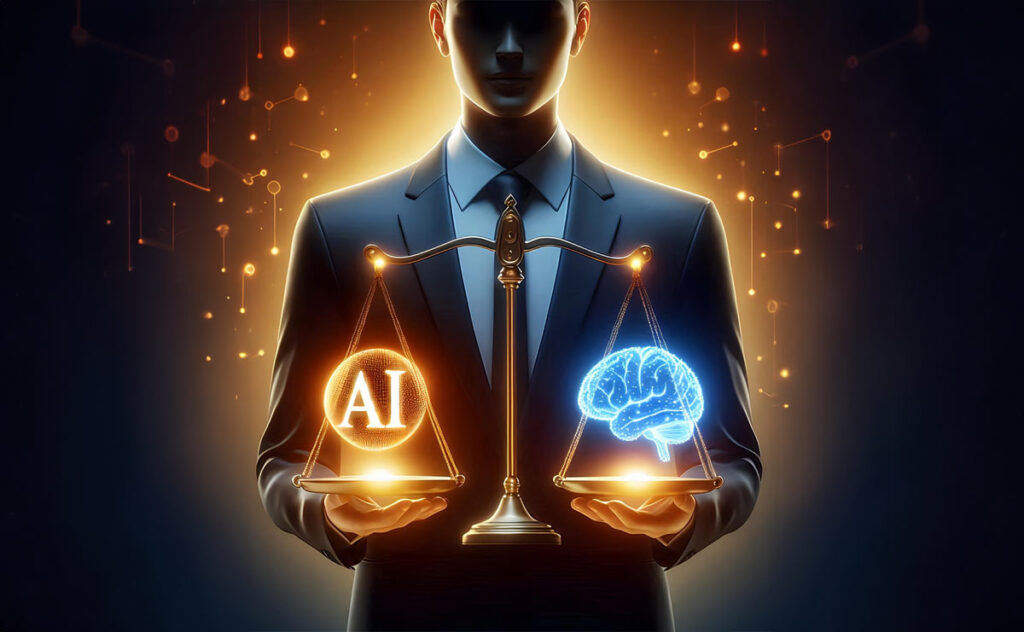
Look, here’s the reality: AI in HR isn’t just another tech upgrade. It’s a complete rewiring of how we think about people management and I think if we’re not careful, we’re going to automate ourselves into a trust crisis.
Alex Cole’s article in UC Today, “Responsible AI in HR: Building Trust Through Governance and Transparency,” cuts through the noise to make one thing clear: technical capability means nothing without ethical backbone. Human Capital Management (HCM) platforms now touch everything from hiring to promotions to who gets developed and who gets shown the door. I feel that the stakes are too high to treat this like just another compliance checkbox. When algorithms start making decisions that shape careers and livelihoods, transparency isn’t optional anymore. It’s survival.
The old siloed approach is dead. HR can’t hide behind IT, and legal can’t pretend data privacy is someone else’s problem. It seems like the organizations that win will be the ones that tear down these walls and build cross-functional governance teams with actual teeth. Audit trails and data lineage tracking aren’t just for satisfying regulators. They’re for looking employees in the eye and explaining exactly why the system recommended what it did.
Here’s what gets me: explainability is a competitive weapon. When workers understand how their data gets used and why certain decisions get made, engagement goes up. Retention improves. I think this is because employees are highly aware of when decisions feel opaque or automated without explanation. They know when they’re being manipulated by a black box, and they resent it. Show them the logic, the metrics, the reasoning behind a promotion or a performance rating, and suddenly you’ve got buy-in instead of backlash.
Training matters more than most leaders want to admit. It’s not enough to have smart systems if your people can’t spot bias or challenge flawed outputs. I feel that democratizing AI literacy across the organization creates a safety net. Employees become more engaged and informed, while leaders are encouraged to take clearer ownership of AI-driven decisions. The whole culture shifts from “trust the machine” to “trust but verify.”
The best HCM vendors get this. They’re building tools that prioritize explainability and bias detection because they know inclusion isn’t a marketing slogan. It’s a design principle. Organizations that formalize this through AI ethics boards or data councils aren’t being precious. They’re being smart. They’re embedding human judgment into every stage, from model design to deployment, treating governance as an ecosystem rather than an afterthought.
Responsible AI isn’t a brake on innovation. It’s the foundation that makes innovation sustainable. It seems like the organizations that figure this out first will build something rare: technology that actually strengthens trust instead of eroding it. Transparency, ethics, and accountability aren’t soft concepts. They’re the architecture of the future. And the future is coming fast.
Stop waiting for perfect regulations or foolproof technology. They’re never coming. The question isn’t whether AI will transform your workforce. It already has. The only question that matters now is whether you’ll own that transformation or let it own you. Build the guardrails, demand transparency, and fight for the human element in every algorithm. Because I think that the organizations that treat responsible AI as an afterthought won’t just fall behind. They’ll become cautionary tales.