Commentary: AI Predicts Health Risks
The Critical Questions: Data Control, Security, and Trust
The Forecast Depends on the Data: The Bias Problem
Steven
Gates AI
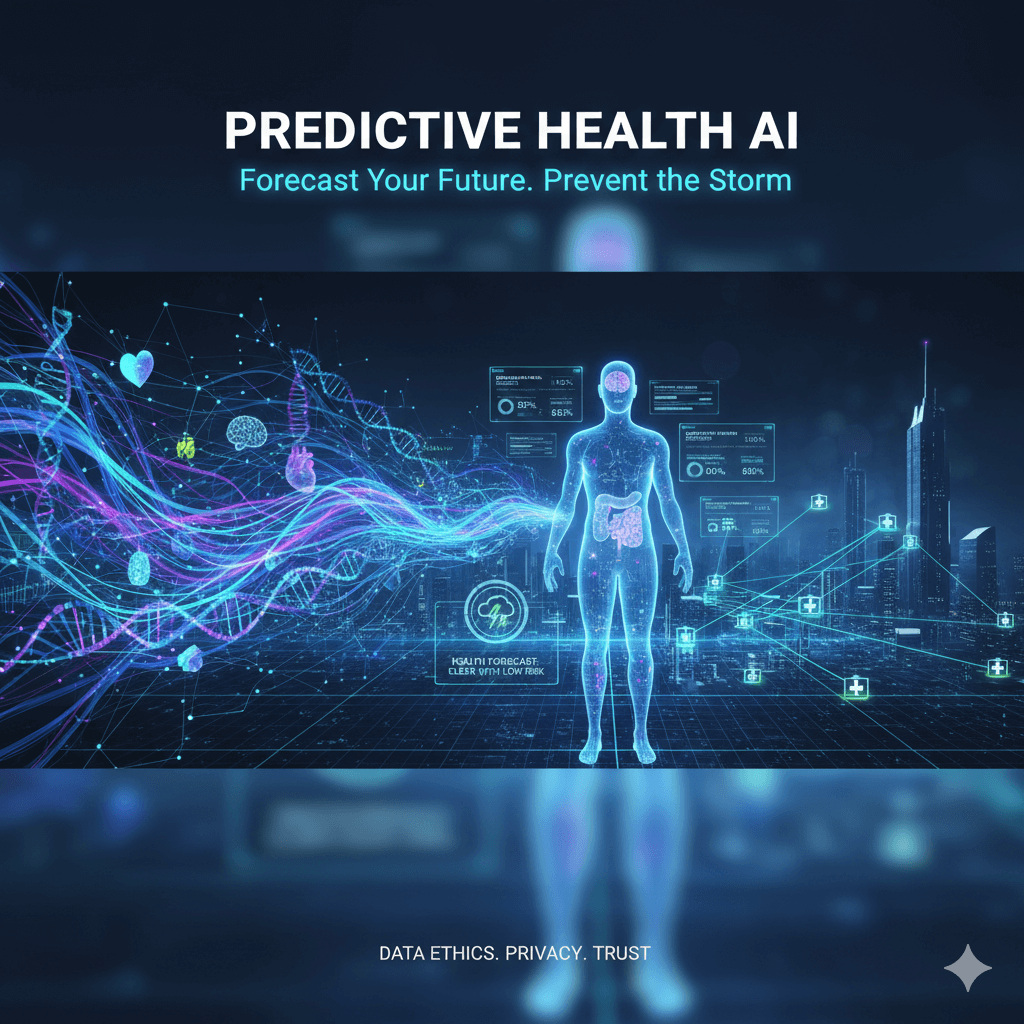
AI now predicts your health risks the way forecasts warn you about storms. By scanning your records, genes, and daily habits, it flags illnesses before symptoms appear. This changes healthcare from fixing problems after they happen to preventing them in the first place.
The systems work by spotting patterns you and your doctor can’t see. Like weather models crunch climate data, AI maps your health path. It shows risks of diabetes, heart disease, and other chronic illnesses. That lets you act earlier and avoid bigger costs later.
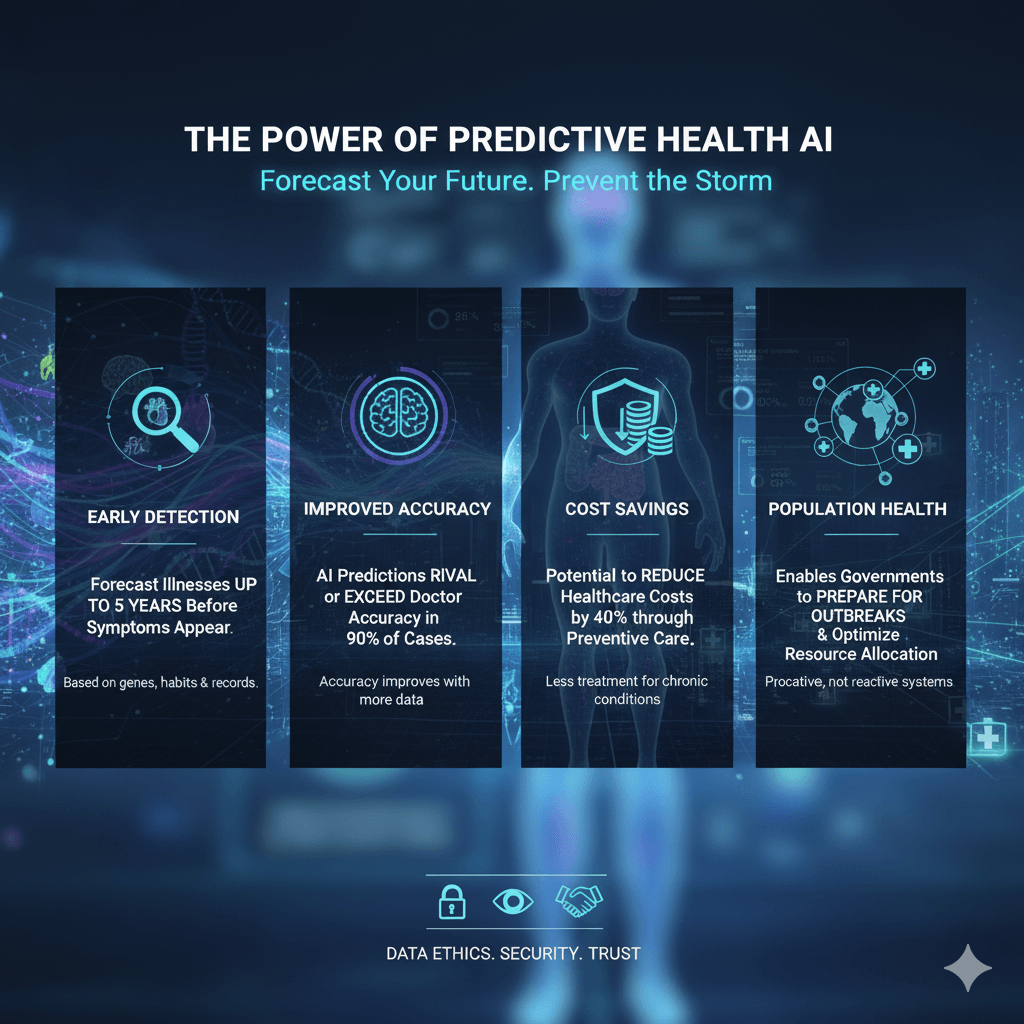
Accuracy keeps improving as more data feeds the models. Some predictions already rival experienced doctors. But AI depends on solid, fair data. If the records are biased or incomplete, the forecasts fail, especially for diverse groups.
This isn’t only about you. Governments and hospitals use AI to prepare for outbreaks, plan resources, and target preventive care. Shifting from reaction to anticipation makes health systems stronger and more affordable.
The hard questions remain. Who controls your data? How secure is it? Can you trust AI with something this personal? Those debates continue. What is certain is that predictive health AI is here to stay, and soon it may feel as routine as checking the daily weather.
Credit:
AI can forecast your future health – just like the weather
By James Gallagher